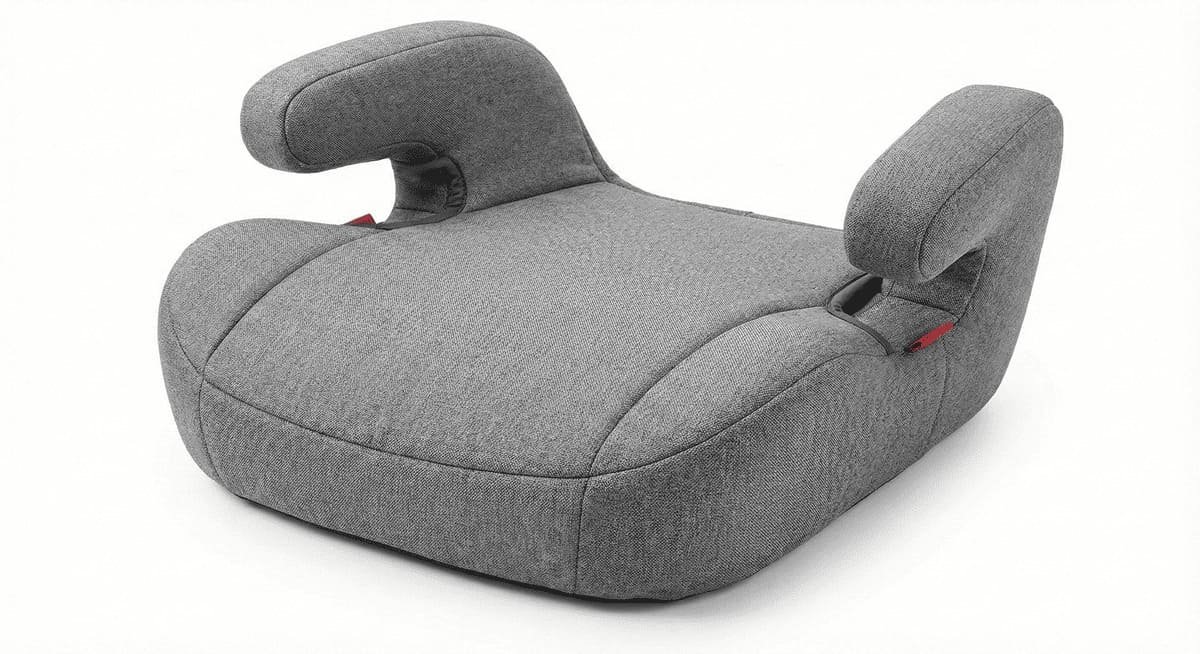
Understanding Spanish Child Seat Laws (DGT): What Every Family Must Know
Traveling to Spain with young children involves navigating strict road safety standards governed by the Spanish General Directorate of Traffic (Dirección General de Tráfico – DGT). Whether you are landing at Malaga Airport (AGP) for a holiday in Marbella, Nerja, or Estepona, ensuring your children travel in compliant restraint systems is both a critical safety measure and a strict legal mandate.
1. Mandatory Height, Weight, and Age Limits
Under Spanish Traffic Law (Royal Decree 667/2015), any child measuring 135 centimeters or less (typically up to 12 years of age or weighing up to 36 kg) must travel in an approved Child Restraint System (CRS) appropriate for their size and weight. Furthermore, all children under 135 cm must be seated in the rear passenger seats. Front-seat positioning for minors under 135 cm is strictly restricted to three exceptional cases:
- The vehicle is a two-seater or does not have rear passenger seats.
- The rear seats are already fully occupied by other minors using their respective child safety seats.
- It is physically impossible to install all necessary child seats in the rear row due to space constraints.
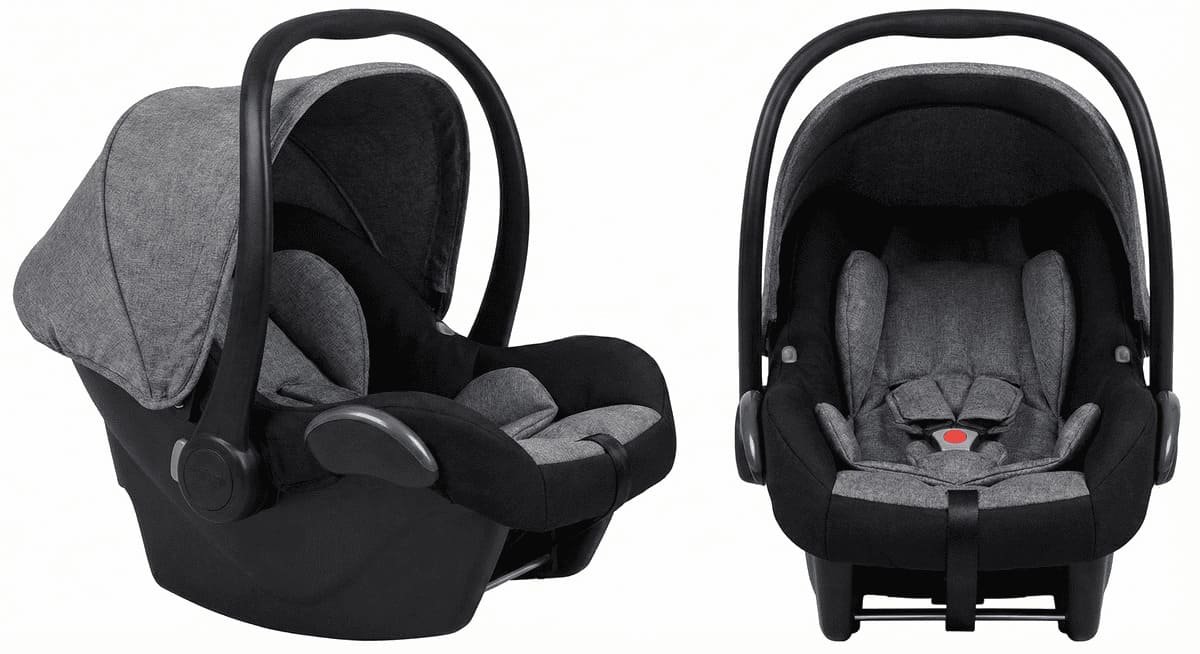
Note: If an infant carrier (Group 0+) is positioned in the front passenger seat under these exceptions, the front passenger airbag must be manually deactivated.
2. The Urban Taxi Exception vs. Private Airport Transfers
Many visiting families are unaware of a critical nuance in Spanish law regarding municipal taxis versus pre-booked private transfers (VTC/Private Hire):
- Urban Taxis (City Street Taxis): Public taxis operating strictly within urban city limits (metropolitan boundaries) are legally exempt from requiring child car seats. Children are permitted to sit in the rear seat using standard seatbelts. However, this exemption only applies to slow-speed city driving.
- Intercity & Highway Transfers (Malaga Airport Transfers): The moment a vehicle leaves Malaga Airport and enters high-speed motorways—such as the A-7 coastal highway or AP-7 toll road toward Marbella, Fuengirola, or Estepona—the child seat exemption strictly ceases to apply. Carrying a minor under 135 cm on a motorway without an approved child seat is illegal, regardless of whether the vehicle is a private transfer or a traditional street taxi.
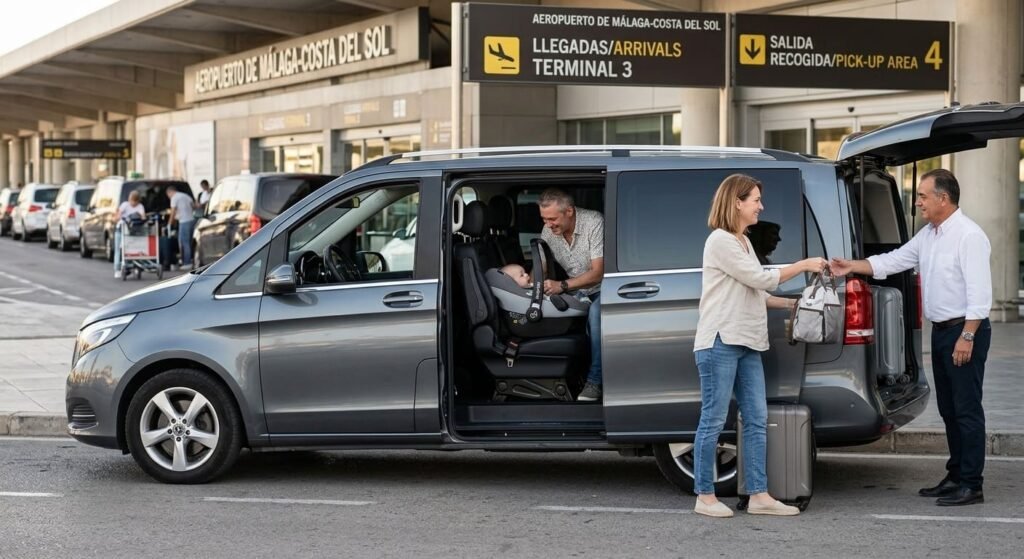
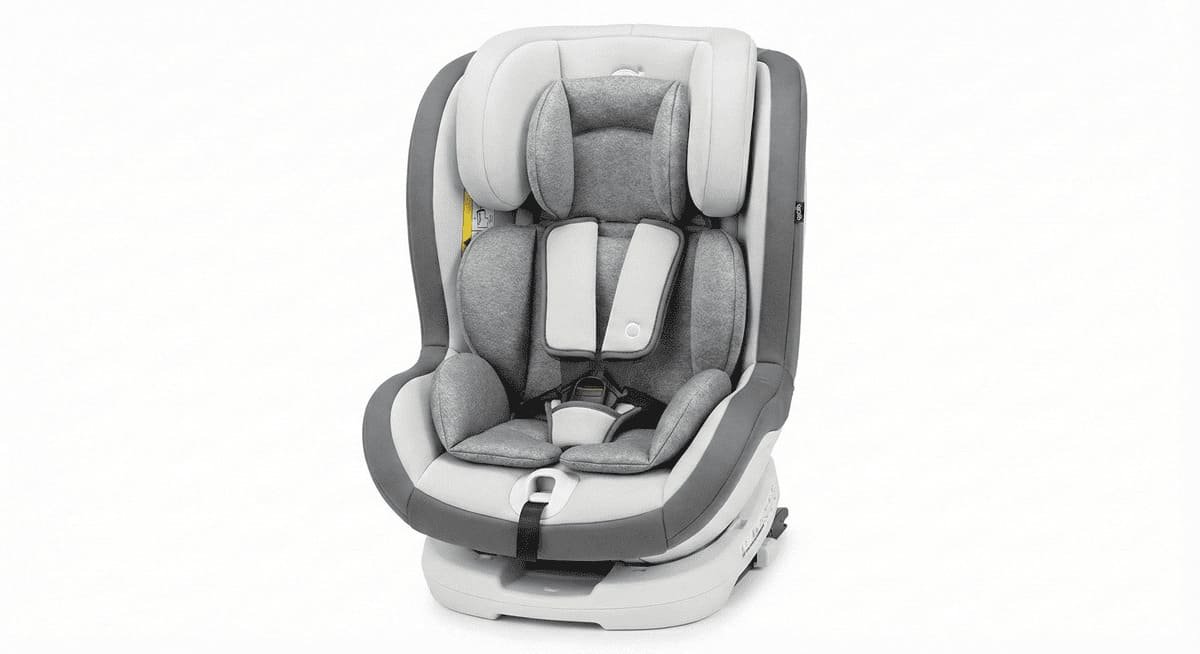
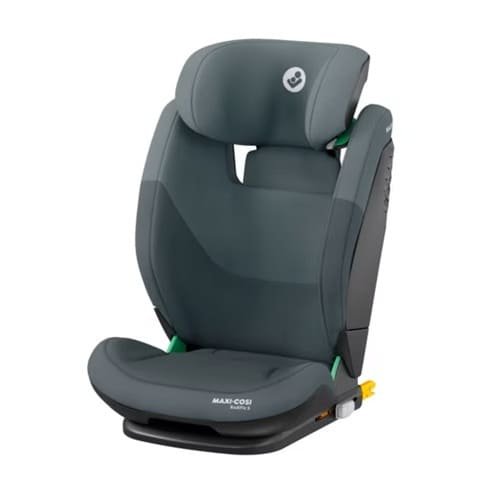
At Malaga Cabbie, we never compromise on safety. We ensure that your reserved vehicle is fitted with certified ISOFIX child seats directly at Malaga Airport before you depart, ensuring complete legal compliance and peace of mind on high-speed coastal roads.
3. Fines, Liability, and Foreign Driver Compliance
Spanish law holds the driver of the vehicle legally responsible for ensuring that all minor passengers under 135 cm are secured in compliant child restraints. Non-compliance results in severe consequences enforced by the Guardia Civil de Tráfico:
- Financial Penalties: Fines start at €200 per unbelted or unrestrained child.
- Vehicle Immobilization: Traffic officers in Spain possess the legal authority to immobilize the vehicle on the spot if children are found traveling without required safety seats. Foreign families risk being left stranded on the highway until a compliant vehicle or safety seat is provided.
- Insurance Invalidation: In the unfortunate event of a road incident, insurance coverage can be voided if minors were not secured according to ECE R44/04 or UN R129 (i-Size) European regulations.
4. Why Pre-Booking Your Family Transfer Matters
Relying on unreserved public taxi ranks at Malaga Airport T3 arrival hall often leads to long wait times and disappointment. Standard rank taxis queuing outside terminal arrivals rarely carry infant seats or toddler car seats in their trunks due to luggage space limitations. Pre-booking your private transfer with Málaga Cabbie guarantees that the exact seat category—sanitized, checked, and properly installed—is waiting for your family the moment you walk through the arrivals gate.